Engine Maintenance
Engine Oil Intervals: What the Manual Misses About Real-World Driving
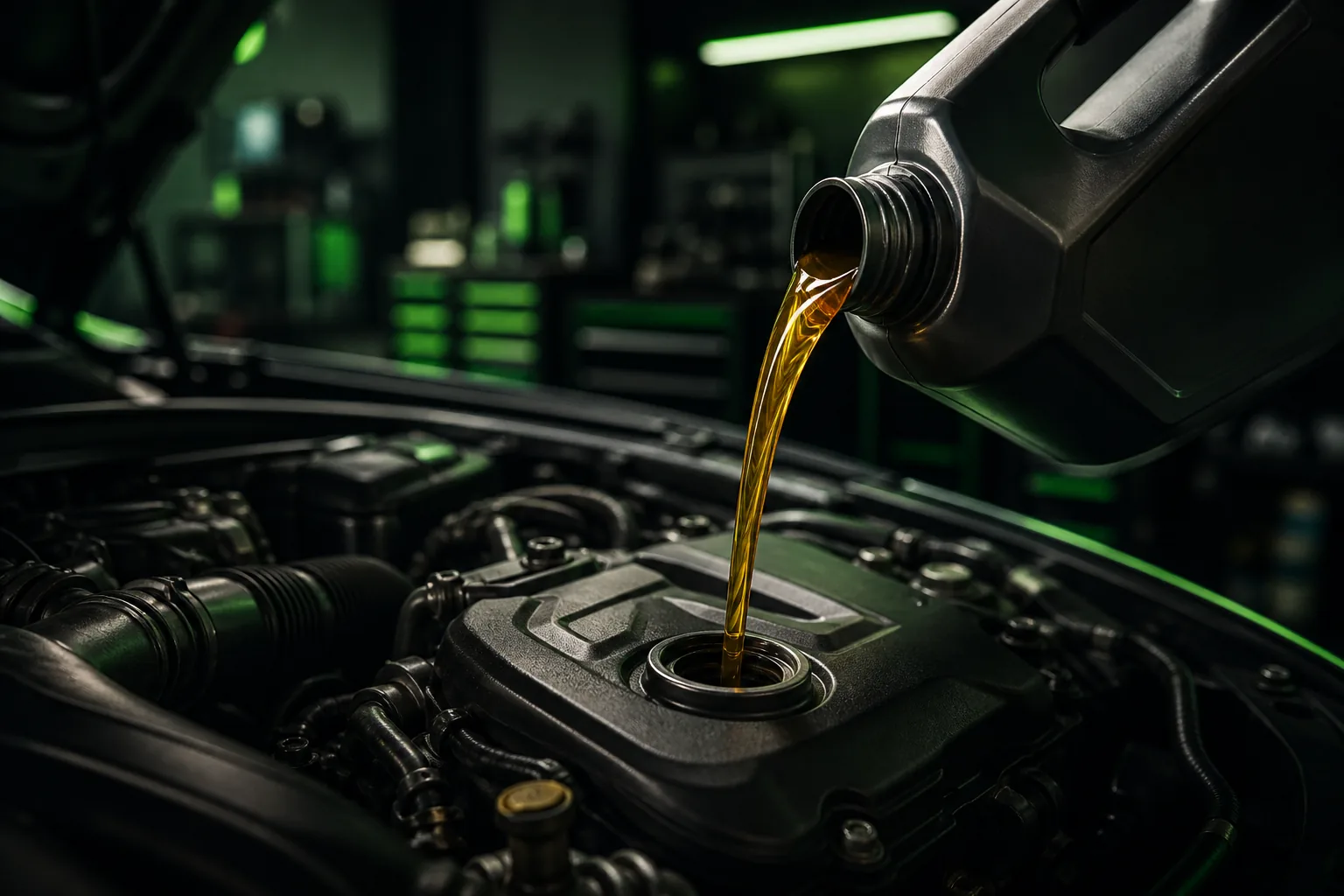
Owner manuals publish oil change intervals based on ideal driving cycles — moderate speeds, minimal idling, and temperate climates. Most daily commuters in Texas operate far outside those assumptions, which means the printed schedule may not protect your engine adequately.
Why Manufacturer Intervals Are Conservative — or Not Conservative Enough
Automakers balance warranty costs against customer convenience. Extended intervals reduce ownership friction but assume synthetic oil quality and moderate thermal load. Heavy stop-and-go traffic, trailer towing, and sustained high ambient temperatures accelerate oxidation and shear breakdown.
Following the maximum interval without evaluating your driving profile is one of the most common causes of premature bearing wear we see in high-mileage engines.
Choosing the Correct Viscosity Grade
Viscosity affects cold-start protection and high-temperature film strength. Using a grade thinner than specified may improve cold flow but reduces protection under load. Using a thicker grade than recommended increases pumping losses and can trigger variable valve timing faults on modern engines.
- Follow the primary grade on your oil cap or owner manual.
- Consider a lower winter grade only if the manual lists multiple approved options.
- Never mix viscosity grades to compensate for consumption — find the leak or consumption source instead.
Filter Quality Matters as Much as Oil
A restricted filter bypasses unfiltered oil into the engine during cold starts and high demand. Premium filters maintain flow rate and capture finer particles. We recommend replacing the filter at every oil change regardless of filter marketing claims about extended life.
Building a Realistic Change Schedule
Evaluate your driving against these severity factors:
- Frequent trips under ten miles where the engine rarely reaches full temperature.
- Dusty or unpaved road conditions that increase particulate ingestion.
- Regular towing or heavy cargo loads.
- Sustained operation above 90 degrees Fahrenheit ambient temperature.
If two or more apply, shorten your interval by twenty to forty percent below the manual maximum. Oil analysis kits provide objective data on TBN depletion and contamination levels for owners who want precision.
Professional Guidance
At kinesthesis, we review driving habits during every maintenance consultation and adjust service intervals accordingly. A five-minute conversation can add years of life to your power unit — request a consultation if you are unsure whether your current schedule is sufficient.